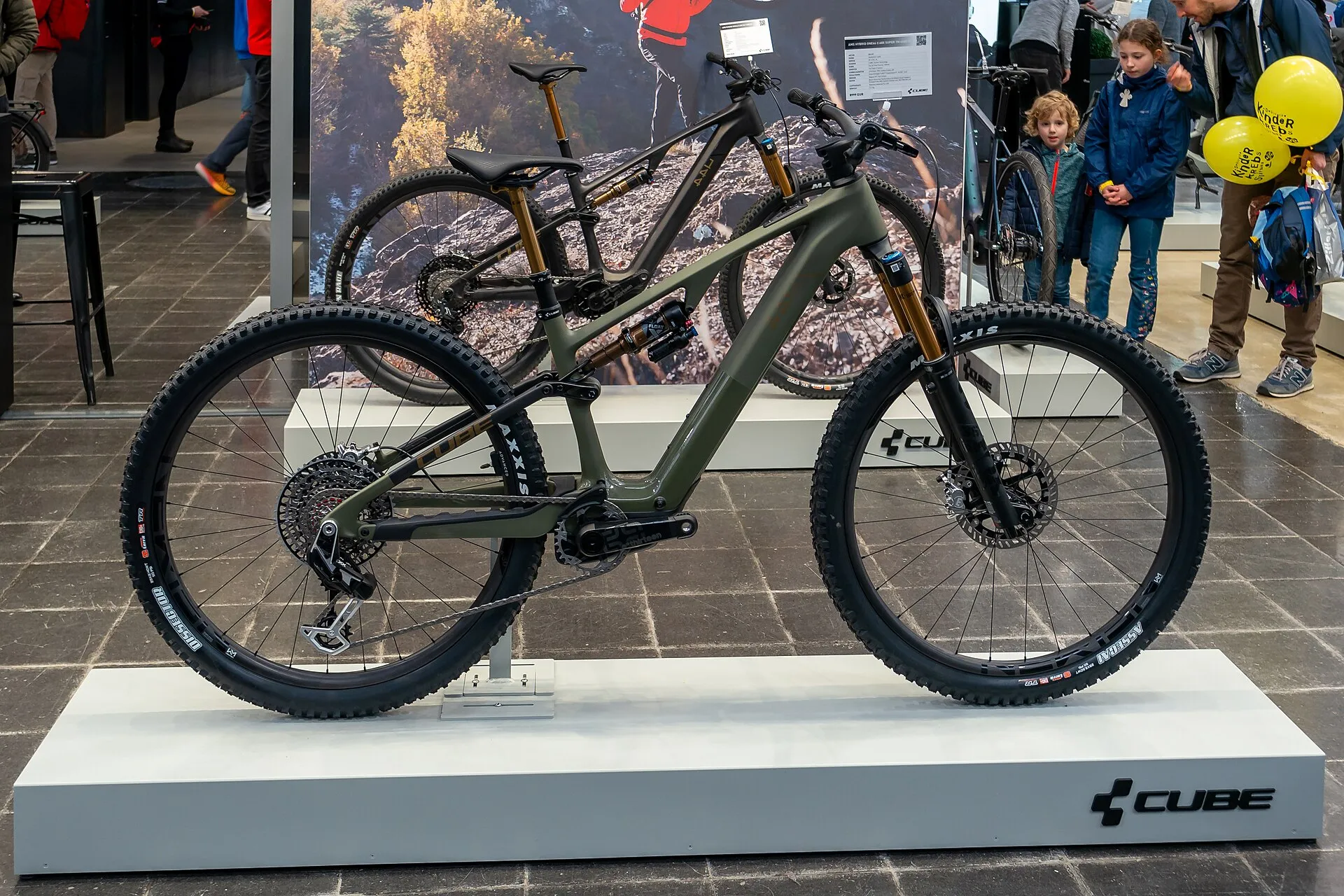
A European court ruling has added an important distinction to the trade rules governing e-bikes assembled inside the EU from imported parts. The judgment concerns the point at which the origin of components can justify treating European assembly as an attempt to circumvent anti-dumping measures.
The case followed a challenge by Giant Electric Vehicle Kunshan against EU regulations extending duties to certain bicycles and e-bikes associated with assembly operations. According to the court’s reasoning, using parts from a country already covered by anti-dumping duties is not, by itself, enough to establish circumvention. Authorities must also examine whether those parts actually originate in that country under the relevant customs rules.
This distinction matters for manufacturers with international supply chains. Many European e-bike brands combine frames, motors, batteries and other components sourced across several markets before final assembly. A clearer separation between where a part is shipped from and where it legally originates could affect future investigations, documentation requirements and sourcing decisions.
The ruling does not remove the EU’s trade protections for the bicycle and e-bike sector. It does, however, require a more specific assessment before duties can be extended to assembly operations. For companies serving the European market, reliable origin records and traceable component supply chains are likely to become even more important.
The decision may also influence how regulators approach similar cases as e-bike production becomes increasingly international while European policymakers seek to protect local manufacturing.
Source: Cycling Industry News